
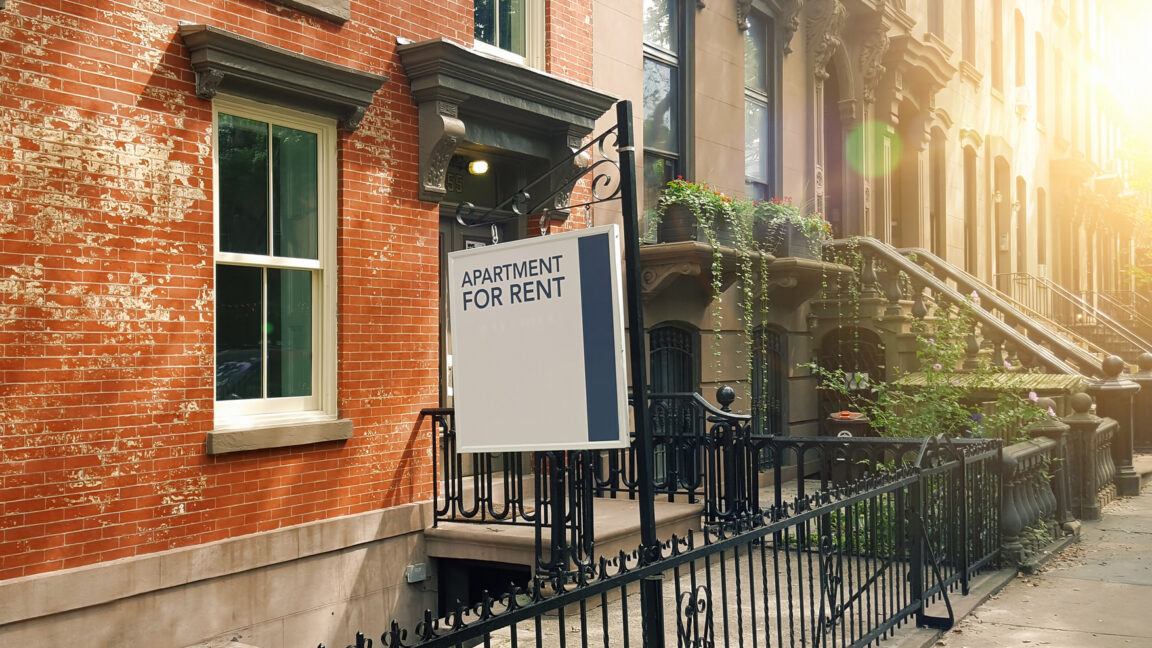
Two New York City renters have filed a class action lawsuit accusing the brokerage Compass of deliberately hiding rental listings from Zillow and its New York platform StreetEasy to create a fake supply shock and push up rents. The suit, brought by Peter Castaneda and Haley Gelfand, claims Compass’s tactics have made the city’s housing crisis even worse and seeks damages for renters across the city.
The lawsuit, filed on behalf of all New Yorkers who leased non-rent-stabilized multifamily apartments after August 1, 2026, alleges that Compass’s dominance in the Manhattan rental market has given it outsized control over pricing. Compass, which has bought many rival brokerages over the past decade, controls over 80 percent of rental unit listings available to renters in Manhattan, according to 2025 data cited in the complaint. That market power, the plaintiffs argue, lets the company “literally dictate pricing for as much as 80 percent of Manhattan’s rental units.”
Rather than rely on competitive pricing, the renters say Compass set out to manipulate supply on third-party platforms. The complaint describes an alleged “playbook” that involves hiding listings from the public to force renters to use Compass brokers. In doing so, the lawsuit says, the company aimed to increase revenue per transaction, boost its stock price, and ignore consumer interests.
The alleged scheme included removing thousands of homes from Zillow earlier this year. Zillow, which owns StreetEasy, responded with new standards that would exclude private listings from its sites. That move prompted Compass to file an antitrust suit against Zillow, claiming the platform was trying to monopolize listings. But Compass voluntarily dismissed that case in March after a judge ruled it was unlikely to succeed, noting that consumers routinely research properties across multiple websites.
The legal battle has drawn the attention of regulators. Local and federal authorities have opened antitrust probes into Compass. Senator Elizabeth Warren (D-Mass.) said the company could end up creating “a two-tiered housing market where insiders pay for exclusive access to housing inventory and market data, while everyone else is shut out.”
Blake Hunter Yagman, an attorney representing the renters, said, “When a titan of an industry decides to choke off supply of an essential good or service, like housing, the implications can be swiftly vast and severe.” He also noted, “New Yorkers already are facing affordability challenges which have evolved into a crisis—and that crisis is only compounded by high rent prices, which is the largest bill that most of us have to pay.”
Zillow’s spokesperson said, “when listings are deliberately hidden from public platforms, real consumers pay the price. This summer, New Yorkers have seen exactly that play out, with one dominant brokerage deciding which homes people get to see and further squeezing the NYC market during a housing crisis. Because StreetEasy exists to give every renter and buyer access to every available home, we support efforts to bring accountability to these practices.” Compass declined to comment on the case.
The plaintiffs provide concrete examples of how the alleged scheme affected them. Castaneda signed a lease for a one-bedroom in downtown Manhattan in August at $5,270 per month. The complaint says this “far exceeds” the $4,390 average or median asking rent in that neighborhood one month earlier. Gelfand used StreetEasy from July 2026 until she signed her lease in early August and says she watched prices climb before she also agreed to pay $5,270 for a one-bedroom in the same area. The renters argue that “This price differential, or a portion of it, would not have existed but for the severe reduction in public listings of rental units on StreetEasy, where apartment rental prices are adjusted according to the law of supply and demand on the platform.”
Citing market data, the complaint says available rental units across all New York areas fell 40 percent in the past year. That decline coincided with a 3 percent increase in rental prices in June, followed by a 6 percent jump in July as fewer units remained available through August. The plaintiffs allege that Compass’s strategy “has intentionally caused an existential surge in the price of rental unit-specific apartments in New York City,” and that the sudden drop in inventory created a supply shock.
The complaint also outlines the various ways landlords set rents, from algorithm-based tools to comparisons with similar listings on public platforms. “Those who set rent prices (e.g. rental community administrators, owners of apartments, and others) set prices through various means which respond to supply and demand; these means include algorithms (including RealPage, which is used by the majority of rental communities in the United States), price setting tools, (including those which can be found on Zillow, and, therefore, on StreetEasy), and through price comparisons of other similar units on publicly available platforms, such as Zillow (and, therefore, on StreetEasy).”
The renters also argue that hiding listings has no procompetitive justification and that it harms other brokers by depriving them of commissions. The complaint notes that 45 percent of real estate agents cannot pay their own rents or are struggling to do so. “This not only deprives Zillow of the ability to feed a significant amount of rental unit listings to prospective renters and drives Zillow’s profitability into the ground, but it forces renters to pay brokers fees to Compass and only Compass when those renters ordinarily would not pay any brokers fee at all or, alternatively, would have had real estate agents from competitor firms who would split commission-based fees with Compass.”
Beyond the legal claims, the plaintiffs highlight that renters in New York City already spend more than 30 percent of their income on housing, a threshold economists consider unaffordable. They are seeking damages, an order requiring Compass to disgorge unjust enrichment, and an injunction to stop the company from hiding listings from platforms like Zillow and StreetEasy.
The renters want the court to force Compass to make amends, both through damages and by ending the practice of hiding listings. They maintain that the company’s tactics have left New Yorkers with fewer choices and higher rents, and that only judicial intervention can restore transparency to the market.