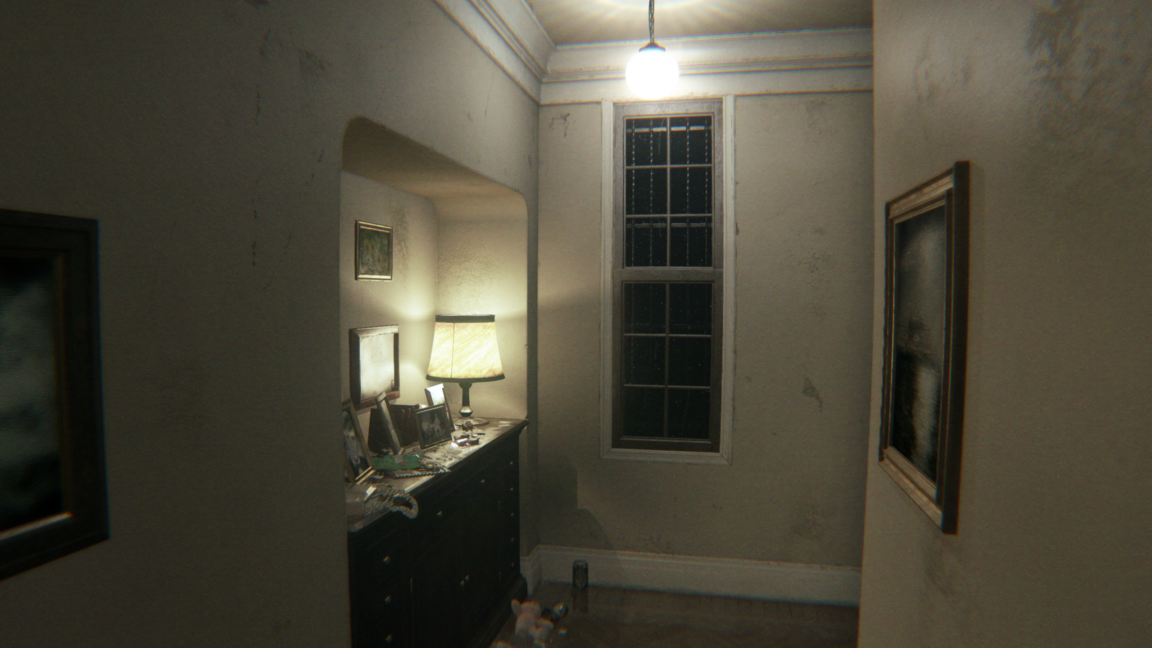
The long lost horror gaming cult classic P.T. now has a native PC port, an open source project led by coder Lorean Xavier. The effort rebuilds the game for modern computers while relying on files from the original PlayStation 4 release.
Xavier said he was inspired to work on the “P.T. for PC” project because he felt P.T. deserved to keep existing somewhere other than on consoles that still have it installed. According to its GitHub listing, the port rebuilds the P.T. engine in C++ and Vulkan and uses the original files from the PS4 game to recreate “every level, model, texture, sound, script and cutscene.”
That approach creates a practical hurdle. Players who do not own a legitimate decrypted copy of the original P.T. will need to track one down in order to generate a playable PC version.
The reliance on real P.T. files makes this port more authentic than earlier hobbyist attempts to reproduce the look and feel of P.T. for PC. PS4 emulators recently reached a point where they could run P.T. completely, but the native port also includes extra features such as upscaling and frame generation, a camera mode, experimental third person and VR support, and a “museum” section where users can look at and listen to in game assets, including “unused content.”
Xavier acknowledges using AI tools during development, but he does not appear to have simply followed the recent retro gaming trend of asking a coding agent to decompile the game. In social media posts, he said he has “spent years studying P.T. and Fox Engine” while developing the port and only uses AI tools “for debugging, troubleshooting and investigating problems.”
“I’m a solo developer making a free P.T. port because I love the game,” he added. “Nobody hired me or asked me to spend countless hours on this. I’m sharing something I worked incredibly hard on, simply because I want other people to enjoy it.”
Beyond curious gamers who never had access to the extremely limited PS4 version, the port may be valuable to preservationists who want to maintain public access to a historically significant game for future generations. “Personally… I think the hardware super-specific solutions are dead ends for preservation,” Henry Lowood, curator for the History of Science & Technology Collections and Film & Media Collections in the Stanford University Libraries, told Ars back in 2015. “The kinds of equipment/hardware we have, the way they’re manufactured, just have a very small likelihood of surviving for super long periods of time.”
For now, players who can supply the original files can run a version of P.T. on PC, while preservationists gain another route to keep the game accessible. The project pairs original assets with modern features, extending the reach of a title that has remained tied to an extremely limited PS4 release.