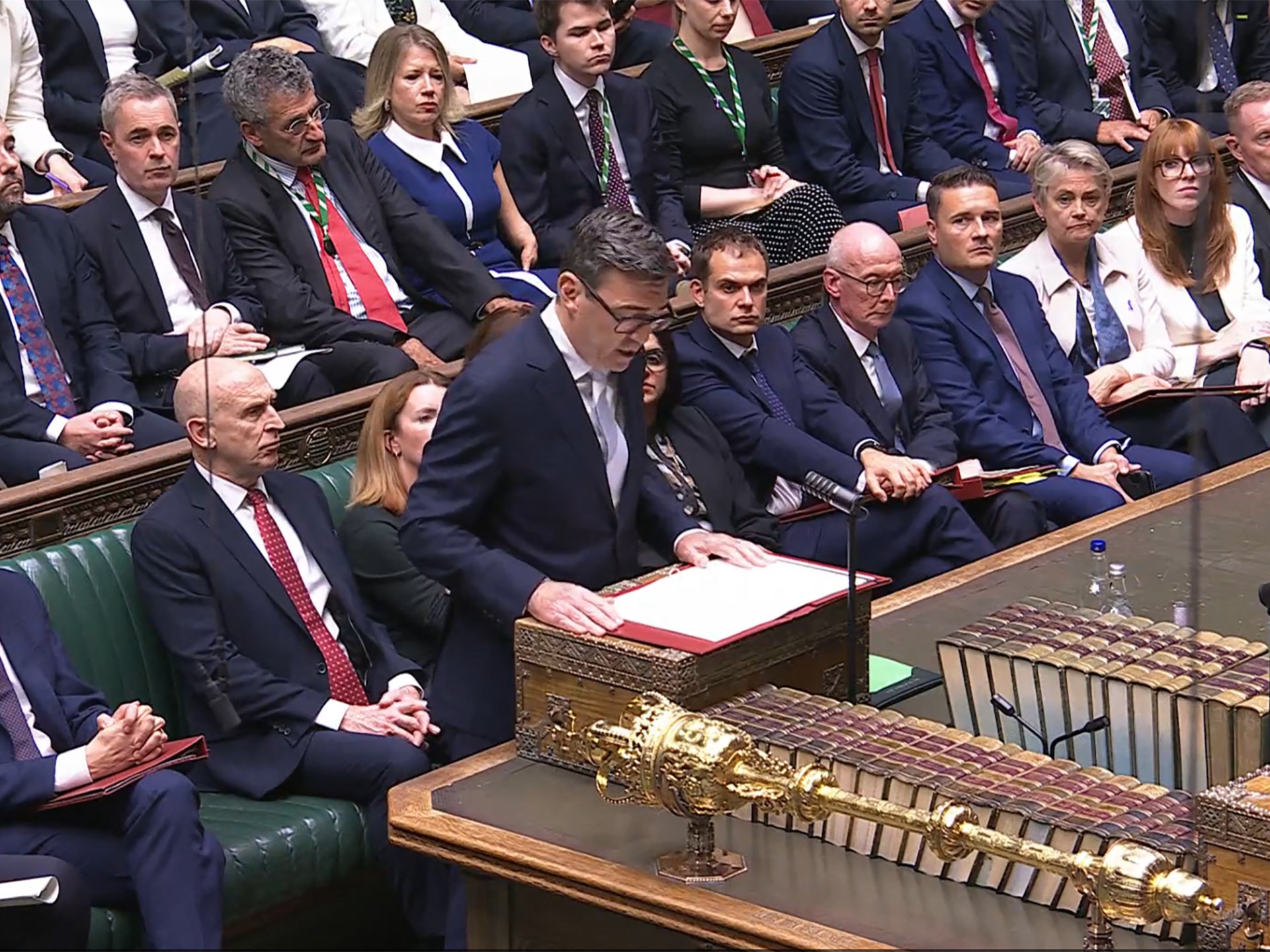
UK Prime Minister Andy Burnham has pledged to push for closer ties with the European Union and confirmed he will travel to Brussels next month for a bilateral summit, telling parliament that parts of Britain’s post-Brexit trade agreement are back on the table.
In a statement to the House of Commons on Monday, Burnham said sections of the trade deal agreed with the EU after the UK voted to leave in 2016 would be renegotiated.
He said the British public would be “the boss” at every stage of reworking Britain’s relationship with the bloc, and that he wanted “serious dialogue” about the country’s long-term ties with Europe.
The prime minister told members of parliament that boosting growth in the economy and controlling illegal immigration would be his focus at the summit.
Topics lined up for discussion in November include cutting bureaucracy for British food exports and emissions trading, along with a “new youth experience scheme” and deeper cooperation on immigration.
Burnham, who came into office in July, said the agreements could reverse some of the “damage” done to the British economy after Brexit.
He told MPs that Britain needed to “take a calm, clear-eyed look at the world as it is today”.
“Sticking to the status quo is not good enough,” he said, adding that “public opinion currently supports a pragmatic approach like the one I am suggesting”.
Opposition pushes back
After his address, the leader of the opposition, Kemi Badenoch, said Burnham would be unable to secure a better deal, describing the EU as “tough negotiators” and warning that he had already “shown his hand”.
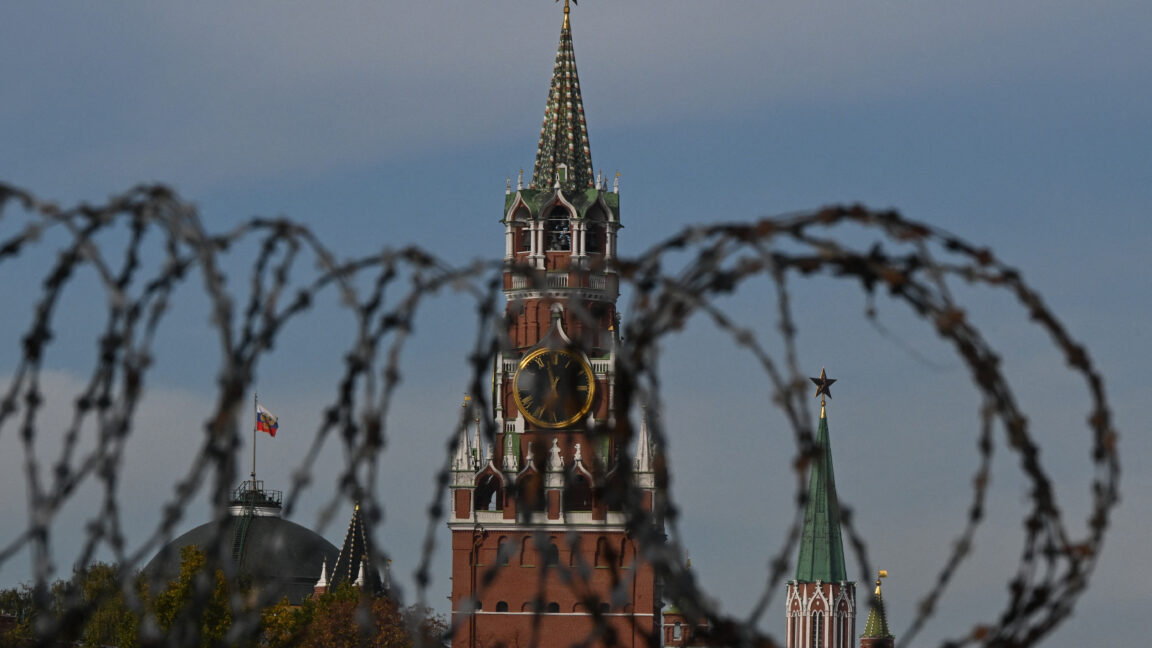
In an interview released on Sunday, Burnham said it was “clear” that Russia interfered in the 2016 Brexit referendum, and warned that voters in France and Germany faced the same threat.
His remarks marked the first time a UK prime minister has acknowledged Russian interference in the referendum, although he did not provide evidence to support the claim.
Burnham’s appearance in the Commons sets the stage for next month’s bilateral summit in Brussels, where the proposals he outlined on food exports, emissions trading, youth mobility and immigration cooperation will be tested. His claim about Russian interference in the 2016 referendum, the first such acknowledgement by a sitting UK prime minister, stands alongside those plans without supporting evidence having been made public.