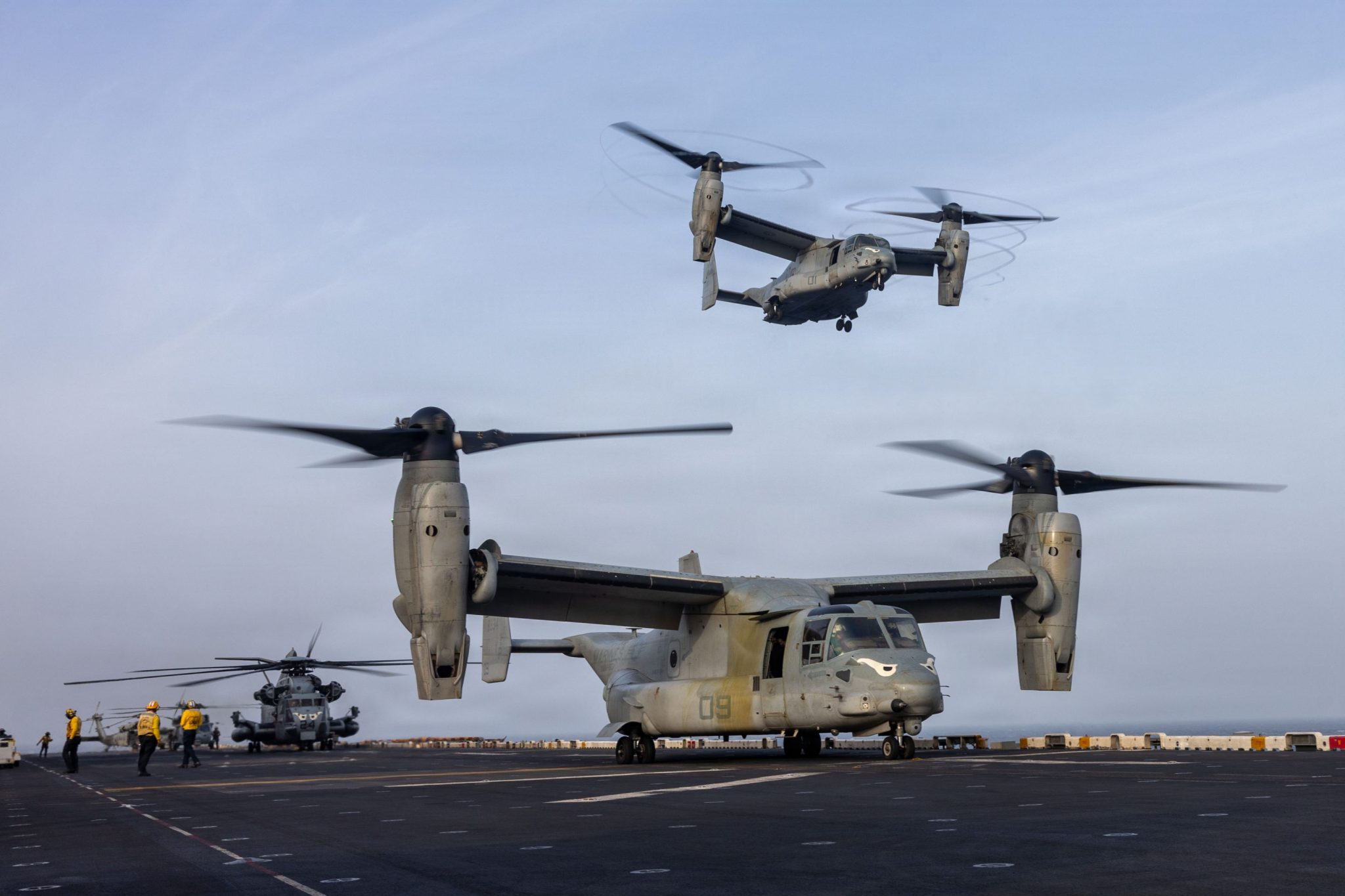
Iran’s business community is warning that the U.S. naval blockade could cause more damage than a direct war, even as President Donald Trump doubles down on economic pressure against Tehran.
In an interview with Iran’s Khabar Online, Majidreza Hariri, who heads the Iran-China Joint Chamber of Commerce, said the blockade’s consequences “far outweigh those of a direct war.” He added that the economic crisis and shortages now gripping Iran under the blockade are worse than what the country endured during the 40-day war earlier this year.
Hariri argued that Iran must end the blockade through any available means, including negotiations, pleading, threats, or even reigniting war with the United States. Attempting to function around the blockade, he said, would only create dangerous ripple effects. “The worst thing that could happen today is believing that the naval blockade can be circumvented and attempting to govern the country despite its continuation.”
He also pointed to Iran’s long history of living under Western sanctions, saying the methods once used to dodge them ultimately produced a weaker economy and widespread corruption.
The financial burden is already steep in the short term. Shipping a single container between Iran and China by sea costs about $3,000, according to Hariri. Diverting that same container overland would raise the cost to $12,000. With roughly 2 million containers moving through Iran’s southern ports every year, he estimated the heavier trade expenses could add about $18 billion annually in transportation costs alone.
Land routes might keep Iran supplied enough to survive in the near term, Hariri predicted, but the economy would eventually “grind to a halt.”
He also hinted at retaliation, saying Iran must remove any American belief that the United States can resort to such actions at will. “We must also eliminate the perception in the U.S. that it can resort to such an action whenever it wants, and make it understand that the consequences of such a move could be severe.”
The remarks come as regime moderates have grown worried that the recently reimposed blockade is pushing Iran’s economy close to collapse, sources told the Wall Street Journal. Iran’s deputy foreign minister has also acknowledged that the economy desperately needs sanctions relief, which a U.S. deal could provide. Earlier reports indicated that Iran’s president and central bank chief told Supreme Leader Ayatollah Mojtaba Khamenei that the initial blockade was crippling the economy.
Rising inflation and a collapsing currency triggered widespread protests in January, followed by a brutal crackdown. Some Iranian officials now worry the current economic distress could spark new unrest. Experts, however, note that the regime has shown little sensitivity to public suffering and appears ready to endure hardship longer than the U.S. public can tolerate high gas prices.
Trump is banking on the blockade to accomplish what heavy U.S. bombing could not: forcing Iran to reopen the Strait of Hormuz. Yet a sizable amount of oil continues leaving the Persian Gulf, undercutting Tehran’s assertion that it has closed the strait. The blockade is simultaneously cutting off vital oil revenue. Crude prices have fallen from last month’s highs, giving the president more time to let the blockade take effect.
Treasury Secretary Scott Bessent signaled more pressure could come, telling Newsmax: “It will be a combination of economic isolation like the world has never seen before, and the continued blockade in the Strait of Hormuz that will keep anything from going in or out of the Iranian ports.”
As the blockade continues and oil prices stabilize, Hariri’s warning highlights the difficult position Tehran finds itself in, with no easy path to relief.