
Multiple water utilities across the United States have been struck by cyberattacks since late last month, prompting widespread concern among officials and security experts. The incidents, allegedly tied to Iran, reportedly affected targets in roughly a dozen states, marking an unusually broad assault on critical infrastructure.
The recent wave of cyberattacks has put a spotlight on the vulnerability of essential services. For years, water utilities and other critical infrastructure facilities, including those in the power sector, have been targeted by hackers, whether operating as individuals or backed by governments. The scale of the latest campaign, however, has drawn particular attention because of its geographic reach, hitting systems across multiple states.
Investigators have not yet publicly detailed the full scope of the intrusions, but the suspected involvement of Iranian actors adds a geopolitical dimension to the threat. The attacks have triggered alarm among federal and local officials, who are now assessing potential weaknesses in the networks that manage water treatment and distribution.
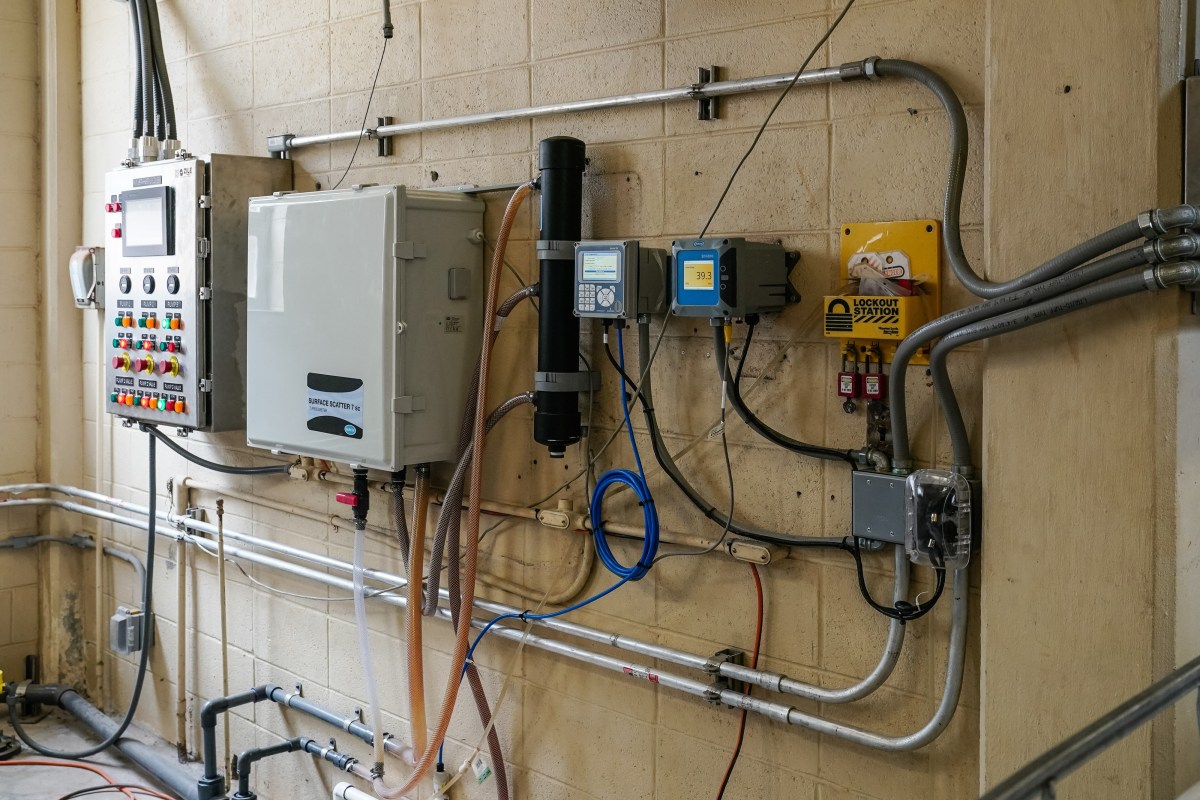
Federal agencies have historically warned that water utilities are attractive targets due to their reliance on aging infrastructure and internet connected control systems. While the specific methods used in these alleged attacks remain unclear, the incidents underscore the persistent risk faced by communities that depend on these facilities for daily needs.
Security analysts note that the impact of such breaches can range from data theft to operational disruption, but no official confirmation has yet been made regarding the extent of damage or service interruptions. The investigation is ongoing, and authorities are urging utilities to review their cybersecurity protocols in light of the increased threat.
As investigations continue, the reported cyberattacks serve as a stark reminder that critical infrastructure remains a prime target for hostile actors. The full implications for the affected water utilities may not be known for some time, but the incident has already intensified focus on protecting essential services from future intrusions.


